
RESTORATIVE DENTISTRY IN TRURO
Restore comfort and function with treatment planned carefully around you
Restorative dentistry repairs damaged teeth and replaces missing teeth. Care can range from a small tooth-coloured filling to a carefully planned combination of treatments.
We begin by listening to what matters to you and understanding why the problem developed. After careful assessment, we explain the options, costs and likely long-term outcomes so that your treatment is tailored to your health, bite, appearance goals and budget.
How we may help
Protect an early problem
Curodont Repair may be suitable before a physical cavity forms. Tooth-coloured composite fillings can repair suitable cavities and damaged areas.
Strengthen a damaged tooth
Ceramic onlays and crowns can protect or rebuild teeth when a smaller repair would not be predictable.
Help retain a tooth
Root canal treatment may manage infection inside a tooth. The tooth may then need a filling, onlay or crown for protection.
Replace missing teeth
Depending on your needs, options may include bridges, digital dentures or dental implants.
How we plan your care
Assess
We examine your teeth, gums and bite, using X-rays, scans or impressions where needed.
Explain
We talk through the diagnosis, reasonable options, benefits, limitations and costs.
Plan together
You receive a written estimate. Larger plans can often be phased around health, healing and budget.
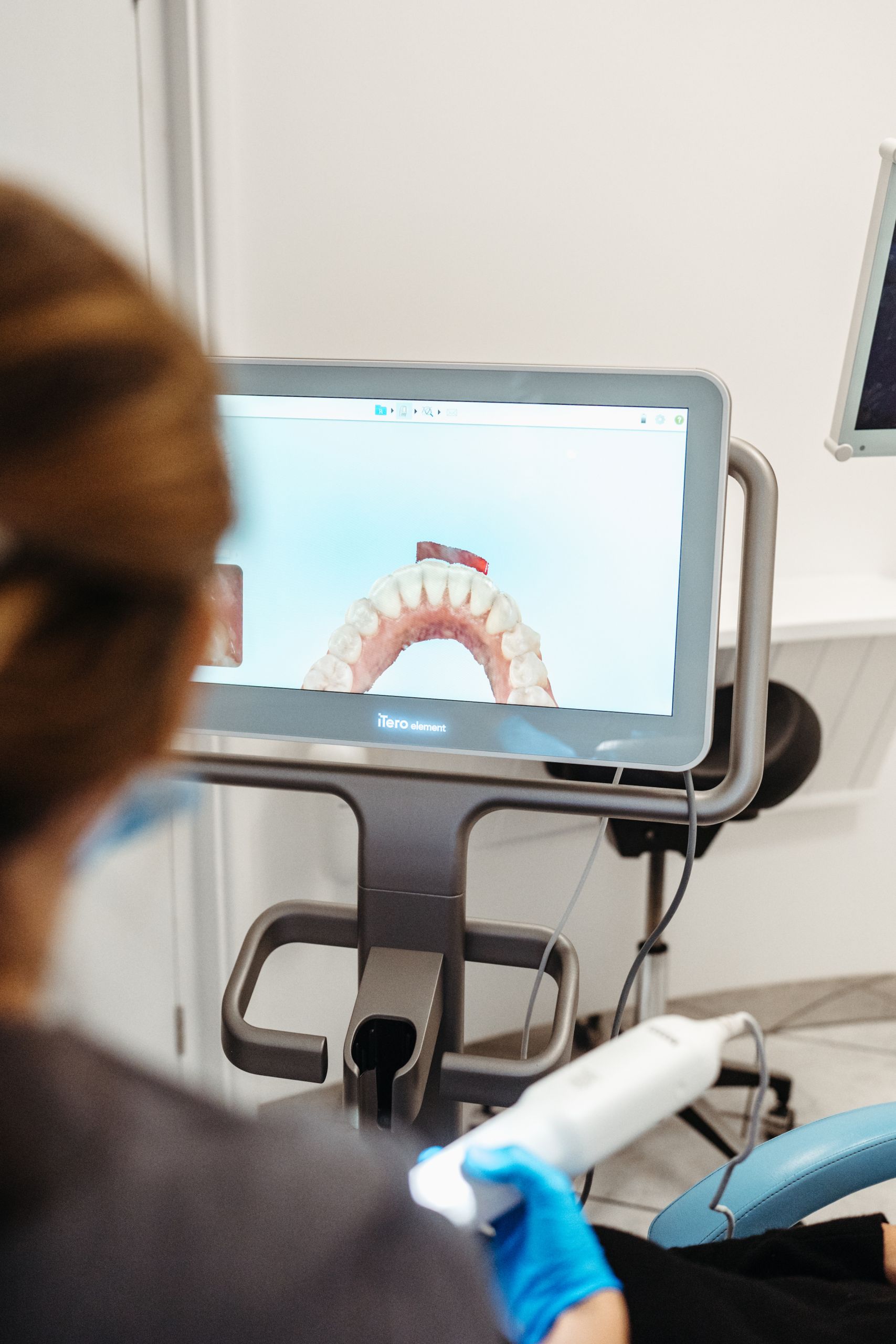
Digital scanning can support planning and communication with the laboratory in suitable cases. Conventional impressions remain useful where they provide better information.
Indicative fees
Fees vary with the tooth, material, complexity and laboratory work. We provide a personal written estimate after assessment.
Frequently asked questions
What is the difference between a filling, onlay and crown?
A filling replaces a smaller damaged area. An onlay protects one or more weakened surfaces. A crown covers most or all of the visible tooth. We recommend the least extensive predictable option.
Can a broken tooth always be saved?
Not always. The healthy tooth remaining, cracks, decay, gum support and root condition all affect whether repair is predictable. We will explain if monitoring or extraction is safer.
Can treatment be phased?
Often, yes. We can prioritise health and urgent needs first, then plan later stages around healing, budget and your preferences where clinically appropriate.
How long will a restoration last?
No restoration lasts forever. Longevity depends on the material, remaining tooth, bite forces, cleaning, diet and maintenance. Regular reviews help identify problems early.
Ready to take the next step?
Book online or contact our team if you would like help choosing the right appointment.